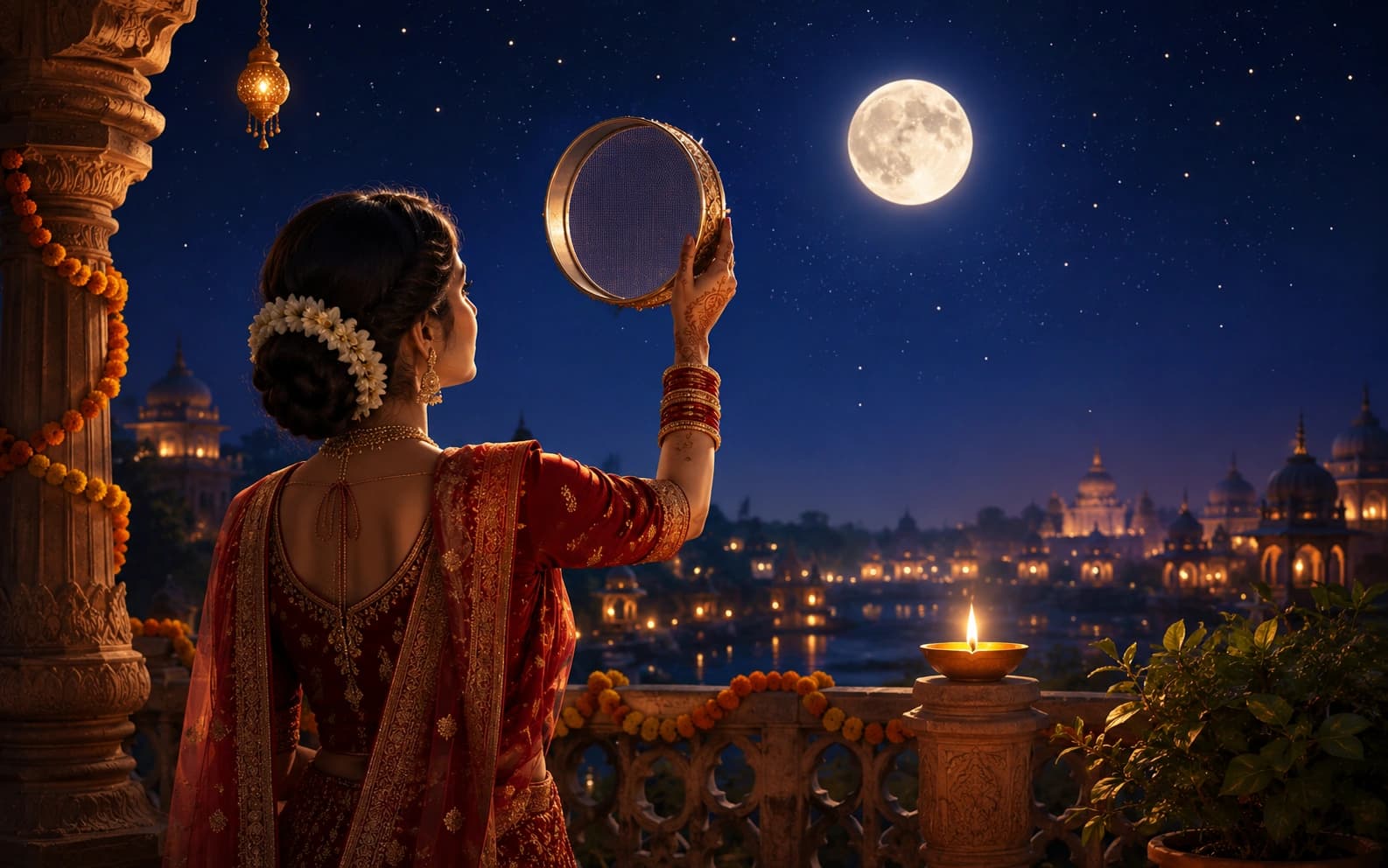

Navratri 2026: Dates, Significance, Puja Vidhi and Source Details
Find Navratri dates, nine-night significance, puja vidhi and source details in one place.
Live Data via DivineAPI · 2026Navratri 2026
About Navratri
Navratri, meaning "nine nights," is one of the most celebrated Hindu festivals, dedicated to the worship of Goddess Durga in her nine forms (Navadurga). The festival is observed four times a year, with Sharad Navratri (autumn) and Chaitra Navratri (spring) being the most widely celebrated. Devotees fast, perform daily puja, sing devotional songs and participate in Garba and Dandiya Raas dances, particularly in Gujarat.
Meaning and Goddess Traditions of Navratri
Navratri is associated with the victory of Goddess Durga over the demon Mahishasura — symbolising the triumph of good over evil. Each of the nine nights honours a different form of the Goddess, collectively called Navadurga: Shailaputri, Brahmacharini, Chandraghanta, Kushmanda, Skandamata, Katyayani, Kalaratri, Mahagauri and Siddhidatri.
The festival is observed in different forms across India. In Gujarat and Maharashtra, Garba and Dandiya Raas dances are central to the celebration. In many parts of North India, the festival includes Ramlila performances and fasting. The tenth day — Vijayadashami (Dussehra) — marks the culmination and the symbolic victory of good over evil.
Ghatasthapana, performed on the first day of Navratri, involves installing a sacred Kalash (pot) as a symbol of the Goddess. This marks the formal beginning of the nine-day observance.
✦Note on Traditions
The form of Navratri observance — fasting practices, puja customs and regional celebrations — varies significantly across families and regions of India.
Puja Vidhi
Ghatasthapana (Day 1)
A sacred Kalash is installed on the first day, marking the formal beginning of the nine-day worship. Barley seeds (jau) are sown in a pot as a symbol of prosperity. Timing for Ghatasthapana is panchang-based.
Daily Puja and Aarti
Each day is dedicated to one of the nine forms of Goddess Durga. Morning and evening puja and aarti are performed. Some devotees observe a nine-day fast; others observe partial fasting according to family tradition.
Kanya Puja (Ashtami or Navami)
Young girls are invited and worshipped as embodiments of the Goddess. They are offered food and given gifts. The specific day — Ashtami or Navami — varies by family tradition.
ℹ️ Ritual practice and fasting customs vary by family and regional tradition. Timing for Ghatasthapana is panchang-based and will be shown once source integration is confirmed.
Puja Samagri
Puja Items
- •Idol or image of Goddess Durga
- •Red cloth
- •Coconut and betel leaves
- •Flowers and marigold garlands
- •Incense and diya
- •Sindoor and kumkum
Vrat Food
- •Sabudana preparations
- •Singhare ki roti
- •Kuttu atta
- •Fruits and dry fruits
- •Sendha namak (rock salt)
Note
- •Samagri requirements may vary by regional custom and family tradition.
ℹ️ Samagri requirements may vary by family and regional tradition.
Frequently Asked Questions
Source Details and Verification
Date Source
Hindu Panchang · 2026
Editorial Review Status
2026
Last Verified On
Not yet verified
Region Basis
Pan India — panchang-based dates to be connected before publication